How to Protect Yourself from Bitcoin Scams?
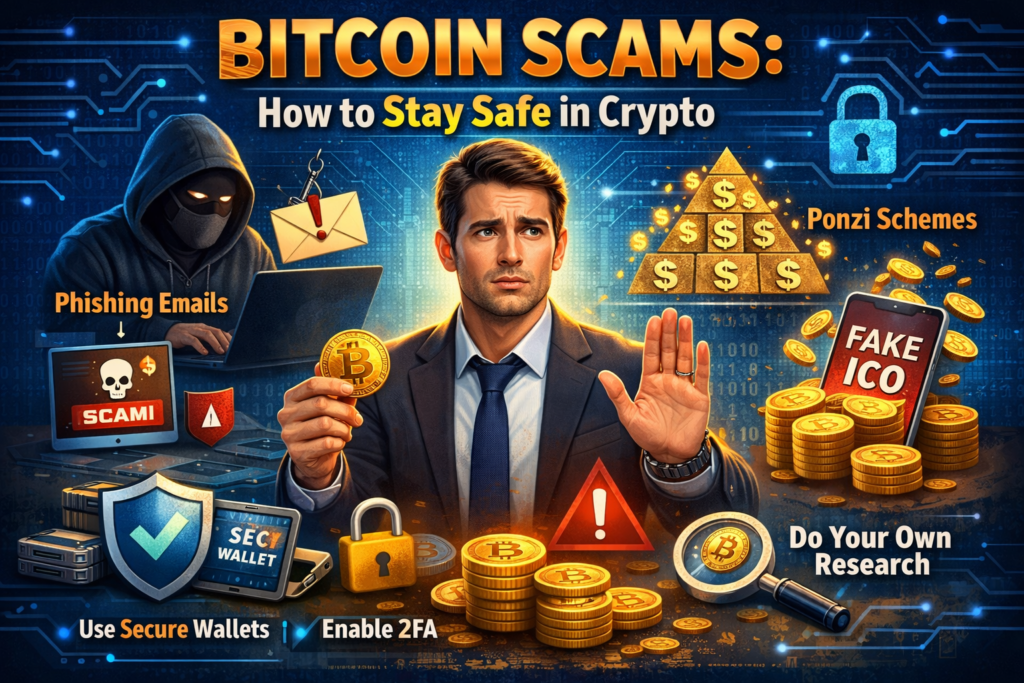
Bitcoin and cryptocurrency have revolutionized digital finance, offering unprecedented opportunities for investment and financial freedom. However, this innovation has also attracted sophisticated criminals who exploit the technology’s complexity and irreversible nature. Understanding Bitcoin scams is essential for anyone entering the cryptocurrency ecosystem, whether you’re a seasoned trader or a complete beginner.
Bitcoin scams continue to evolve, becoming more sophisticated and harder to detect. From fake investment platforms to elaborate phishing schemes, scammers employ diverse tactics to separate victims from their funds. The anonymous nature of Bitcoin transactions makes recovery extremely challenging, which is why prevention and awareness remain your strongest defenses.
What Are the Most Common Bitcoin Scams?
Bitcoin scams come in many forms, each designed to exploit different vulnerabilities. Understanding these common Bitcoin scams helps you recognize warning signs before losing money. Let’s examine the most prevalent types of scams targeting cryptocurrency users worldwide.
Bitcoin Investment Scams and Ponzi Schemes
Bitcoin investment scams promise unrealistic returns, often claiming guaranteed profits with minimal risk. These fraudulent platforms typically display fabricated testimonials and fake trading results to appear legitimate. Bitcoin Ponzi schemes pay early investors with funds from new participants, creating an illusion of profitability until the scheme inevitably collapses.
Fake Bitcoin investment platforms often mirror legitimate exchanges, complete with professional websites and customer support. However, once you deposit funds, withdrawal becomes impossible. The operators create endless excuses—system maintenance, verification requirements, or additional fees—designed to extract more money before disappearing entirely.
If you suspect a suspicious scam broker is misleading you, consider documenting all communications and reporting it. Early reporting can help prevent further losses and protect other potential victims from similar schemes.
Bitcoin Phishing Scams and Wallet Theft
Bitcoin phishing scams use deceptive emails, websites, or messages to steal your login credentials and private keys. Scammers create fake websites that closely resemble legitimate exchanges or wallet services, tricking users into entering sensitive information. Understanding how to identify phishing scams requires vigilance and attention to detail, as these attacks often appear remarkably authentic.
Bitcoin wallet scams involve malicious software or compromised wallet applications designed to steal your private keys. Once criminals access your private keys, they can drain your wallet completely. Always download wallet software from official sources and verify website URLs carefully before entering any credentials.
Bitcoin Romance Scams
Bitcoin romance scams combine emotional manipulation with cryptocurrency fraud. Scammers build relationships on dating apps or social media, eventually requesting Bitcoin for fabricated emergencies or investment opportunities. These criminals exploit trust and emotions, making victims particularly vulnerable to financial loss.
Learning how to safeguard your heart from romance scams involves recognizing red flags such as quick declarations of love, reluctance to meet in person, and financial requests. When romance and cryptocurrency intersect, exercise extreme caution and never send Bitcoin to someone you haven’t met face-to-face.
Bitcoin Giveaway Scams
Bitcoin giveaway scams promise to multiply any Bitcoin you send, claiming endorsements from celebrities or legitimate companies. These scams often impersonate well-known figures like Elon Musk or prominent cryptocurrency exchanges, using hacked social media accounts to spread fraudulent messages.
The premise is always the same: send a small amount of Bitcoin to verify your wallet, and receive double or triple the amount back. No legitimate organization conducts giveaways this way. Any request to send Bitcoin first is invariably a scam.

Why Do Bitcoin Scams Continue to Thrive?
Several factors explain why Bitcoin fraud remains prevalent despite increased awareness. Understanding these underlying reasons helps explain the persistence of online Bitcoin scams and emphasizes the importance of ongoing vigilance.
Anonymity and Irreversibility
Why do scammers prefer Bitcoin? The technology’s design features that make it attractive for legitimate use – anonymity and transaction irreversibility – also make it ideal for criminals. Unlike traditional banking systems, where fraudulent transactions can potentially be reversed, Bitcoin transactions are permanent once confirmed on the blockchain.
This irreversibility means victims cannot simply contact their bank to stop payment or reverse charges. Once Bitcoin leaves your wallet, recovery becomes extremely difficult without the recipient’s cooperation. Scammers exploit this feature, knowing that victims have limited recourse once funds are transferred.
Complexity and Knowledge Gaps
Bitcoin’s technical complexity creates opportunities for deception. Many people invest without fully understanding blockchain technology, wallet security, or proper verification methods. This knowledge gap allows scammers to use technical jargon and fabricated explanations to appear legitimate while masking fraudulent intentions.
Different types of scams exploit various knowledge gaps. Some target complete beginners with promises of easy profits, while others use sophisticated technical language to deceive more experienced traders. Regardless of experience level, continuous education about cryptocurrency security remains essential.
5 Warning Signs of Bitcoin Scams
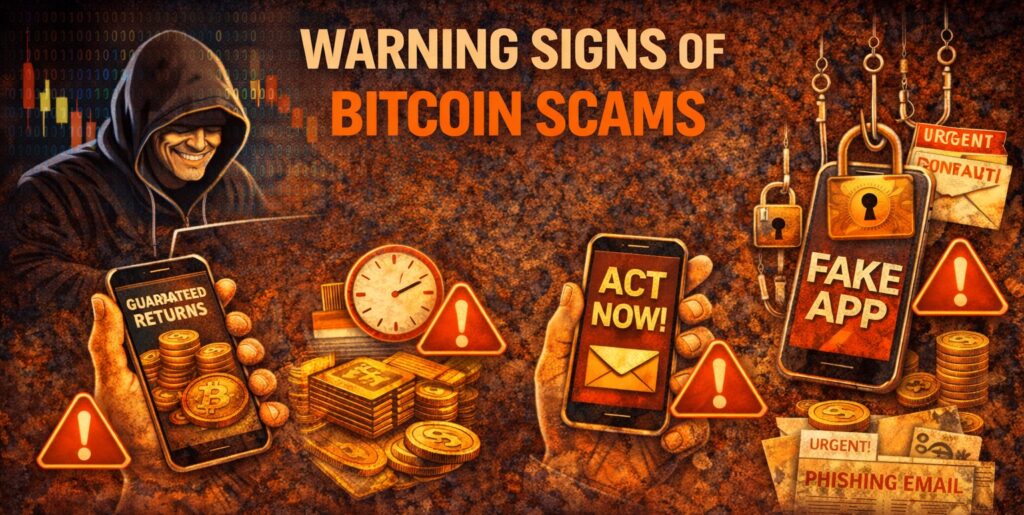
Recognizing warning signs early can prevent significant financial losses. These red flags appear consistently across different Bitcoin scam types, serving as reliable indicators of fraudulent activity.
Guaranteed Returns and Unrealistic Promises
Legitimate Bitcoin investments carry inherent risks due to market volatility. Any platform or individual guaranteeing specific returns or claiming risk-free profits is almost certainly operating a scam. The cryptocurrency market’s unpredictable nature makes guaranteed returns impossible to promise honestly.
Be particularly wary of claims promising daily returns, fixed percentage gains, or multiplying your investment in short timeframes. These promises mirror tactics used in forex investment scams and other fraudulent schemes across financial markets.
Pressure Tactics and Urgency
Scammers create artificial urgency to prevent victims from conducting proper research. Limited-time offers, countdown timers, or claims that opportunities will disappear soon are designed to trigger impulsive decisions. Legitimate investment opportunities don’t require immediate action without due diligence.
Unverifiable Information and Missing Details
Fraudulent Bitcoin platforms typically lack verifiable registration details, physical addresses, or identifiable team members. Professional-looking websites don’t guarantee legitimacy. Scammers invest in convincing web design while providing minimal verifiable information about their actual operations or legal status.
Withdrawal Problems and Hidden Fees
Bitcoin trading scams often allow easy deposits but create obstacles for withdrawals. If you’re facing withdrawal issues, document every interaction carefully. Scammers may request additional fees for verification, taxes, or processing—all tactics designed to extract more money before cutting off communication entirely.
Legitimate exchanges have clear, upfront fee structures. Any platform requesting unexpected fees after you attempt a withdrawal should be treated with extreme suspicion. Users can securely report suspicious Bitcoin activity when they encounter these patterns.
Unsolicited Contact and Cold Outreach
Legitimate Bitcoin services don’t typically initiate contact through social media, WhatsApp, or unsolicited emails. Similar to debt collection scams that use aggressive cold-calling tactics, Bitcoin scammers often reach out first with investment opportunities or assistance offers.
How to Protect Yourself from Bitcoin Scams
Protection against BTC scams requires proactive measures and consistent security practices. Implementing these strategies significantly reduces your vulnerability to common Bitcoin scams and emerging threats.
Verify Before You Trust
Always research platforms, individuals, and opportunities thoroughly before investing or providing personal information. Check for regulatory licenses, read independent user reviews from sites like Trustpilot, and verify claims through multiple sources. Is Bitcoin safe from scammers? The technology itself is secure, but user practices determine actual safety.
Search for the platform name combined with terms like “scam,””review,” or “complaint” to discover others’ experiences. Legitimate businesses welcome scrutiny and provide transparent information about their operations, licenses, and team members.
Secure Your Wallet and Private Keys
Your private keys are the ultimate access point to your Bitcoin. Never share them with anyone, and store them securely offline when possible. Use hardware wallets for significant holdings, as they provide the strongest protection against online threats and Bitcoin wallet scams.
Enable two-factor authentication on all cryptocurrency accounts, but avoid SMS-based 2FA, which is vulnerable to SIM-swapping attacks. Use authenticator apps or hardware security keys for stronger protection.
Use Only Reputable Exchanges and Services
Stick to well-established, regulated cryptocurrency exchanges with proven track records. Research any platform’s history, regulatory compliance, and security measures before creating an account. Reputable services undergo regular security audits and maintain transparent operations.
Educate Yourself Continuously
How to avoid Bitcoin scams starts with education. Stay informed about the latest Bitcoin scam tactics and cryptocurrency security best practices. Scammers constantly develop new approaches, so continuous learning helps you recognize emerging threats before they result in losses.
Who Is Most Vulnerable to Bitcoin Scams?
Understanding vulnerability patterns helps target prevention efforts effectively. While anyone can fall victim to sophisticated scams, certain groups face heightened risk.
New Cryptocurrency Users
Beginners often lack the knowledge needed to spot sophisticated Bitcoin fraud. They may not understand fundamental security concepts like private key management or recognize warning signs that experienced users immediately identify. Scammers specifically target newcomers with simplified promises and beginner-friendly language designed to build false confidence.
Those Seeking Quick Profits
People hoping to get rich quickly become prime targets for Bitcoin investment scams. The desire for rapid wealth can override rational judgment, making individuals more susceptible to unrealistic promises. Scammers exploit this motivation by presenting opportunities that appear too good to pass up.
Emotionally Vulnerable Individuals
People experiencing financial stress, loneliness, or major life transitions show increased vulnerability to online Bitcoin scams. Romance scams particularly target those seeking connection, while financial scams appeal to people desperate for income solutions. Emotional manipulation remains one of the most effective scam tactics.
How Do Bitcoin Scammers Operate?
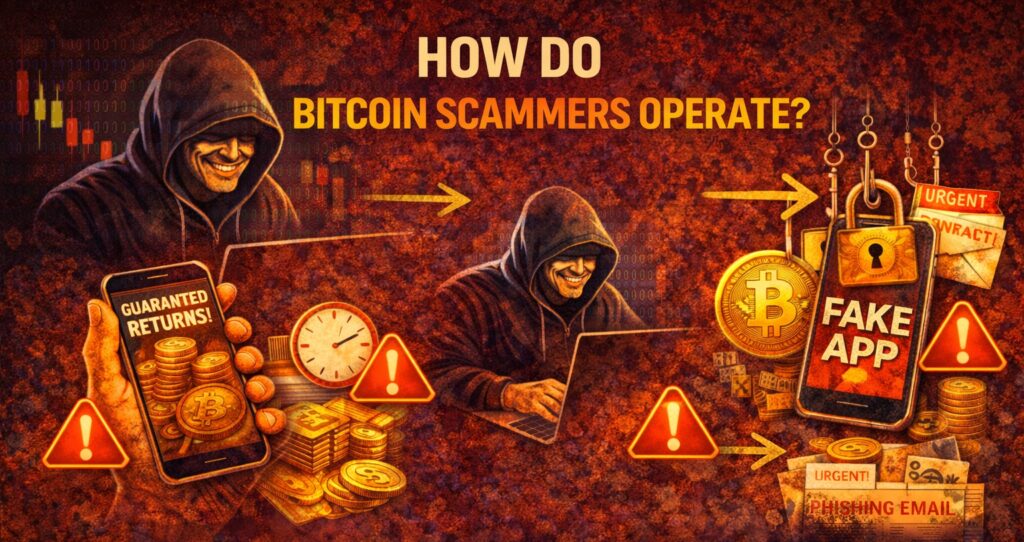
Understanding scammer methodologies reveals the calculated nature of Bitcoin fraud. These criminals employ sophisticated psychological tactics combined with technical deception to exploit victims systematically.
Building False Trust
Scammers invest significant time building credibility before requesting money. They create professional websites, fake social media profiles, and fabricated testimonials. Some even allow small initial withdrawals to create trust before preventing larger withdrawals.
Social Engineering Tactics
Bitcoin scammers use psychological manipulation to override logical decision-making. They create urgency, appeal to greed or fear, and establish authority through fake credentials or celebrity endorsements. These tactics mirror broader cryptocurrency fraud prevention challenges across the industry.
Exploiting Technical Complexity
Scammers leverage Bitcoin’s technical complexity to confuse victims. They use complicated jargon, fake technical analysis, and fabricated blockchain data to appear knowledgeable. This technical smokescreen prevents victims from asking critical questions or seeking expert verification.
Can Stolen Bitcoin Be Recovered?
The question “Can you recover money from a Bitcoin scam?” concerns every victim. While Bitcoin’s design makes recovery challenging, understanding available options provides realistic expectations.
Technical Recovery Limitations
Bitcoin transactions are irreversible by design. Once confirmed on the blockchain, only the recipient can return funds. This fundamental feature protects legitimate transactions but complicates recovery efforts when fraud occurs. Can stolen Bitcoin be recovered? Technically, the Bitcoin still exists and can be traced, but accessing it requires the scammer’s cooperation or legal intervention.
How to Trace a Bitcoin Scammer
Blockchain analysis can trace Bitcoin movements between addresses, potentially identifying where stolen funds went. However, scammers use mixing services, multiple wallets, and privacy coins to obscure transaction trails. Professional blockchain forensics may help identify scammers, but this doesn’t guarantee fund recovery.
Law enforcement agencies worldwide are developing better tools for tracking cryptocurrency criminals. Success rates improve when victims report incidents promptly with comprehensive documentation.
Legal and Regulatory Avenues
Some victims pursue legal action or work with regulatory authorities. While this approach requires time and resources, it may yield results, especially when scammers can be identified and located within jurisdictions with cooperative law enforcement.
Where to Report Bitcoin Scams
Knowing how to report a Bitcoin scam helps protect others while documenting your case. Multiple reporting channels serve different purposes, and utilizing several increases the impact of your report.
Regulatory Authorities
Contact your country’s financial regulatory authority or consumer protection agency. In the United States, this includes the Federal Trade Commission (FTC), Securities and Exchange Commission (SEC), and Commodity Futures Trading Commission (CFTC). These agencies track fraud patterns and may investigate large-scale operations.
Law Enforcement
File reports with local police and, when appropriate, federal agencies like the FBI’s Internet Crime Complaint Center (IC3). Provide complete documentation, including transaction records, communications, wallet addresses, and any other relevant evidence.
Professional Platforms
Report suspicious activity to any exchanges or platforms involved. TruClaim.tech is a specialized platform where victims can:
- Report Bitcoin scams and fraudulent cryptocurrency activities
- Submit detailed complaints with evidence
- Document experiences securely
- Contribute to a centralized database tracking scam patterns
- Help warn other potential victims
Are Bitcoin Scams Increasing?
Statistics show concerning trends in cryptocurrency fraud. Are Bitcoin scams increasing? Evidence suggests both the frequency and sophistication of scams continue to grow as cryptocurrency adoption expands globally.
Recent years have seen significant increases in reported losses from online Bitcoin scams. As more people enter the cryptocurrency market, scammers have larger pools of potential victims. Additionally, successful scam operations attract more criminals to the space, creating a concerning cycle of fraud proliferation.
The latest Bitcoin scam tactics evolve constantly, incorporating new technologies like artificial intelligence for more convincing impersonations and automated targeting. Deepfake videos of celebrities endorsing scams and AI-generated customer service representatives make fraud increasingly difficult to detect.
What to Do If Scammed with Bitcoin?
Discovering you’ve been scammed triggers panic and frustration. However, taking immediate, methodical steps can minimize damage and potentially assist recovery efforts.
Step 1: Stop All Communication and Transactions
Immediately cease contact with the scammer and halt any additional payments. Scammers often request more money for fees, taxes, or verification after initial fraud. Do not comply with these requests, regardless of threats or promises.
Step 2: Document Everything
Gather comprehensive evidence, including transaction IDs, wallet addresses, screenshots of communications, websites, promises made, and any other relevant information. This documentation proves essential for reports and potential legal action.
Step 3: Report the Incident
File reports with appropriate authorities promptly. Early reporting can help prevent further losses for others and may assist ongoing investigations. Sharing your experience contributes to broader fraud prevention efforts.
Step 4: Secure Your Accounts
Change passwords, enable stronger security measures, and monitor your accounts for unauthorized access. If you shared personal information, watch for identity theft signs and consider credit monitoring services.
Step 5: Seek Support
Consider free consulting with a platform like TruClaim, who understand cryptocurrency fraud. Support groups for scam victims can also provide emotional assistance during recovery.
Take Action Against Bitcoin Scams
Bitcoin scams thrive in silence. When victims don’t report their experiences, scammers continue operating unchecked, targeting new victims with the same fraudulent tactics. Your voice matters in the fight against cryptocurrency fraud.
If you believe you’ve encountered a suspicious Bitcoin broker, misleading investment platform, or any form of Bitcoin scam, taking action protects both yourself and others. Documenting your experience and reporting suspicious activity creates a record that may assist investigations and prevent future victims.
Whether you’re facing withdrawal issues, have been pressured into questionable investments, or suspect you’re dealing with fake Bitcoin investment platforms, consider reporting the incident. TruClaim provides a secure platform where you can file complaints about suspected Bitcoin scams and submit evidence safely. Sharing details about suspicious brokers, fraudulent schemes, or misleading practices helps build awareness and may initiate an appropriate review.
Remember, reporting isn’t about guarantees – it’s about awareness, prevention, and protecting others. Every report contributes to the greater effort of combating cryptocurrency fraud. If you’ve encountered any form of Bitcoin scam, don’t remain silent. Document your experience, gather evidence, and consider filing a complaint at TruClaim.tech. Your report could prevent someone else from becoming the next victim.
Stay vigilant, stay informed, and stay safe in the Bitcoin ecosystem. Education and awareness remain your strongest defenses against scams, but when fraud occurs, reporting helps transform your experience into protection for others.
For more updates, follow us on: